Behind the Buzz: What we're learning about a rare bee on Mt. Tam
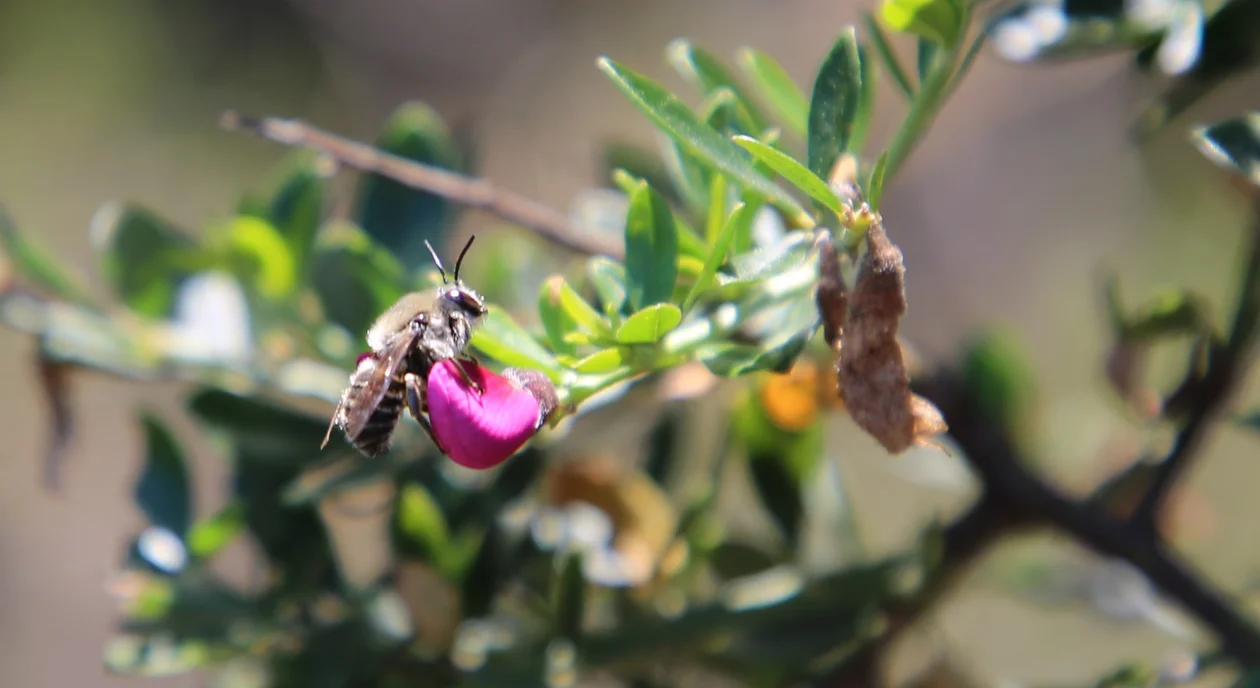
Back in 2024, our Tamalpais Bee Lab launched a successful community science effort to find a rare, endemic bee that hadn't been seen in almost 50 years. Before this, few records of the San Francisco Leaf-cutter Bee (Trachusa gummifera) existed. We wanted to know: is it still out there? What's the bee's life like? What does it need to thrive? How could we find out through our community science program, a unique opportunity for community members to participate in park science?
Creating our own blueprint, we found the elusive bee on Mt. Tamalpais in Marin County. This prompted questions from park scientists and the community. With the help of our One Tam partners and volunteers, in 2025 we piloted a new effort to learn more about the bee’s life. It's called the One Tam Bee Watch and we just wrapped up our 2026 season. Our goal this year was to better understand T. gummifera's needs and behaviors.
Programs like this help people learn about key species while deepening their connection to place. As these parks and our communities are increasingly impacted by climate change, these efforts are more important than ever.
What Have We Been Up To?
We’ve been out on Mt. Tamalpais almost every day since May. We visited places with flowering patches of chaparral pea (Pickeringia montana), a native shrub and the only plant we've observed this bee foraging for pollen so far. We documented bee activity, habitat data, and local weather conditions. In addition to learning about the species’ life history, our study will help estimate the population size and how far they travel while foraging.
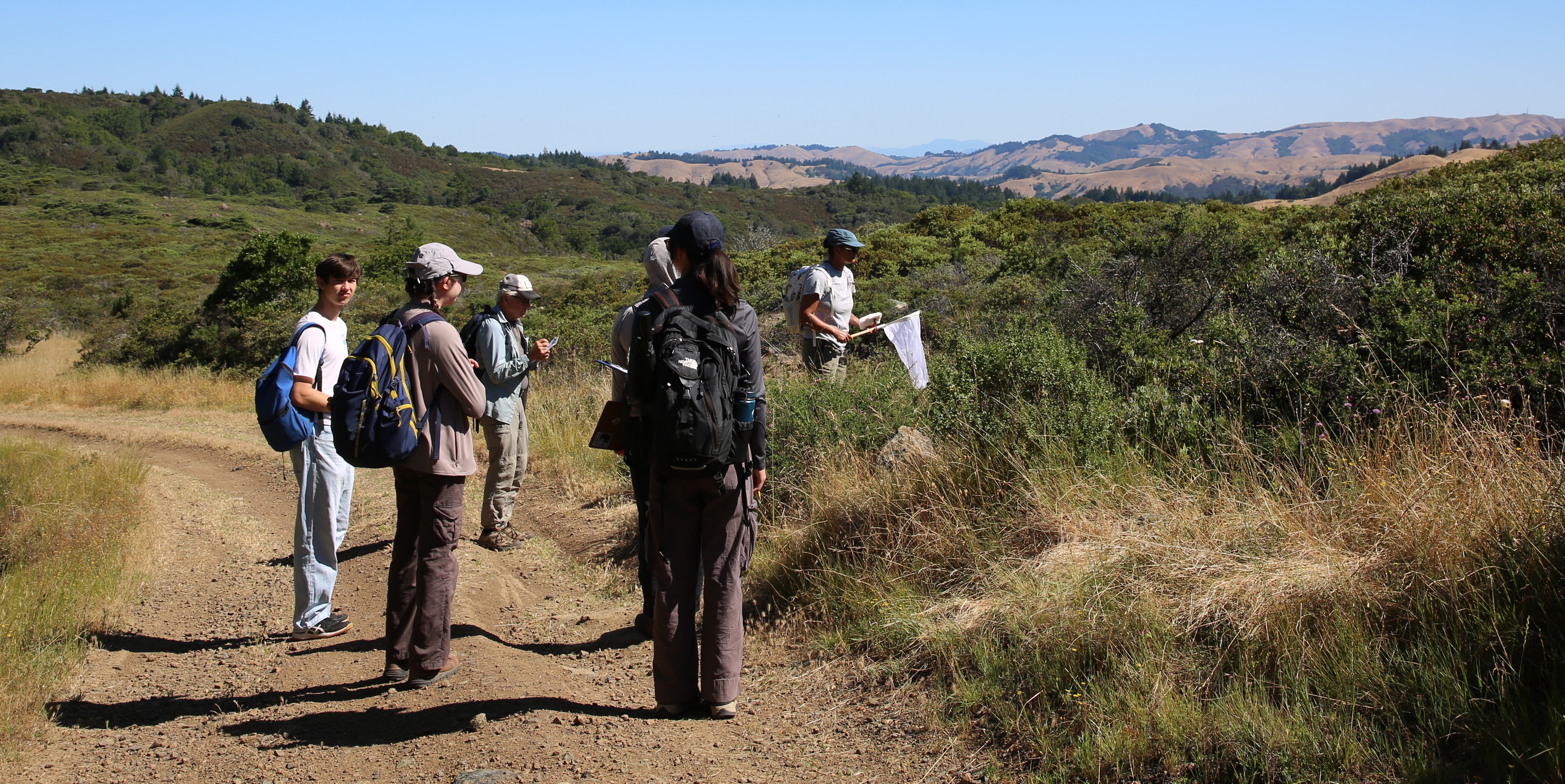
Consistent with last season's observations, we often spotted male T. gummifera patrolling flowering chaparral pea patches, while fewer females made brief and intermittent visits to gather pollen and nectar. Their speedy flight and distinctive buzzing—often mistaken for a yellow jacket wasp—made every sighting memorable.
We also went back to nesting areas we found previously to search for new nests. We looked for thumbnail-sized holes at the base of rocks and other structures. Nests are often spotted by fresh piles of excavated soil near the entrance, known as tumulus. Like many native bees, T. gummifera nests underground and digs new nests each year. Like other members of the leaf-cutter bee family, females create compartments (brood cells) for their young using leaf cuttings and resin. Last year, we documented females collecting leaves from manzanita (Arctostaphylos) to construct these nests.
Nest activity this year was lower than last year. While we documented dozens of nests in 2025, we found only two nests this year, and both appeared abandoned within two weeks. After many days searching for new nesting areas, we found many potential places but limited evidence of active nesting.
Where Are the Bees?
One reason for the low activity may be this season's highly variable weather. March brought unusually warm temperatures, with some days exceeding 80°F. April shifted dramatically, bringing cooler temperatures and periods of rain. May was marked by strong winds, sometimes reaching 30 mph. By June, conditions ranged from mild days in the mid-60s to heat spikes above 90°F.
These swings may have affected the chaparral pea's flowering. Although the plant eventually bloomed beautifully across our survey sites towards the end of the season, bee activity remained lower than expected.
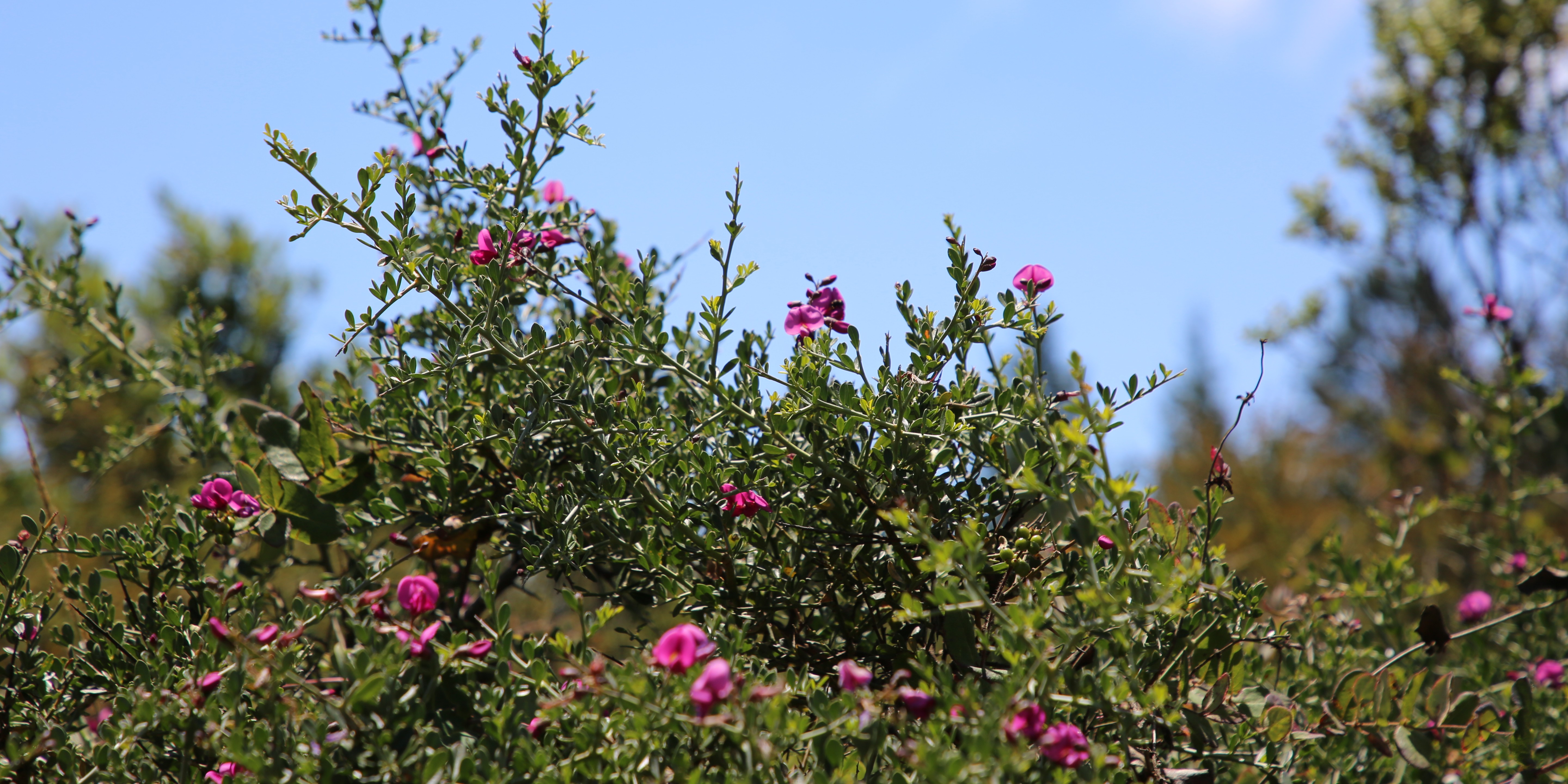
In mid-June, we saw a brief pulse of activity with several male T. gummifera flying around blooming chaparral pea patches. Because males typically emerge before females, these observations suggested the bee's flight season may have started later than last year. Despite the encouraging sightings, we observed no adult T. gummifera foraging or nesting during the final two weeks of surveys.
What We've Learned So Far
This season showed us just how much there is still to learn about T. gummifera—and how exciting that opportunity is! Our reflections on the season so far include:
- Some observations were consistent with our first season, such as which plants the bee uses and the difference in male and female foraging described above. But we observed far fewer bees and much lower nesting activity. This raises new questions about what may be driving these changes, and highlights the need for more study.
- Specific questions about this bee lead to broader questions about ecosystem health and the resources available to other pollinators and wildlife on the landscape. Studying a single species means understanding and supporting an entire network of relationships.
- This year was the first of our three-year natural history study and population assessment of this remarkable bee. With the support of our volunteers, we are developing a foundation that can support future monitoring, plus inform how we research and protect rare, understudied species.
- As our parks and communities continue to face environmental changes, community science programs are more important than ever in building deeper connections to places we care about.
What's Next?
Although our T. gummifera field season has ended, our work is far from over. For the rest of the summer, we’ll shift to conducting California Bumble Bee Atlas surveys as part of the statewide program coordinated by the Xerces Society for Invertebrate Conservation. Check our website for available dates to join our survey team.
Over the next few months, our team will be working on data management, program evaluation, preparing a season summary, and celebrating our volunteers. Although we’re not sure why we saw that pulse of male T. gummifera activity or why we didn’t see any females flying after, we have a lot of ideas. We’ll be diving into scientific literature to explore further and incorporate learnings into our reporting and study design for next year.
Support Bees and Get Involved
Whether you're new to bees or already fascinated by pollinators, there are many ways to support!
- Join a community science effort to develop your skills and learn more about native bee biology and ecology in the field:
- Tamalpais Bee Lab (One Tam): Our local effort to monitor and understand more about Mt. Tamalpais' wild bees and other pollinators. Stay tuned via our newsletter and social media and register here for events.
- California Bumble Bee Atlas (Xerces Society for Invertebrate Conservation): A statewide effort to inventory and protect bumble bees.
- The Great Sunflower Project (San Francisco State University): A nation-wide community science program collecting data on pollinator-plant relationships in yards, gardens, schools, and parks.
- Ground Nesting Bees (Cornell University): A national effort using iNaturalist to better understand and protect nests of ground-nesting bees.
- Get outside and start noticing these tiny animals! One of the most helpful things you can do is carefully photograph a pollinator and upload your photos to iNaturalist. Note: Please do not attempt to handle and/or collect T. gummifera—this requires a permit from the California Department of Fish and Wildlife.
- Choose native plants for your landscaping.
- Donate to One Tam to support Tamalpais Bee Lab and other programs to protect the region’s biodiversity.
Thank You
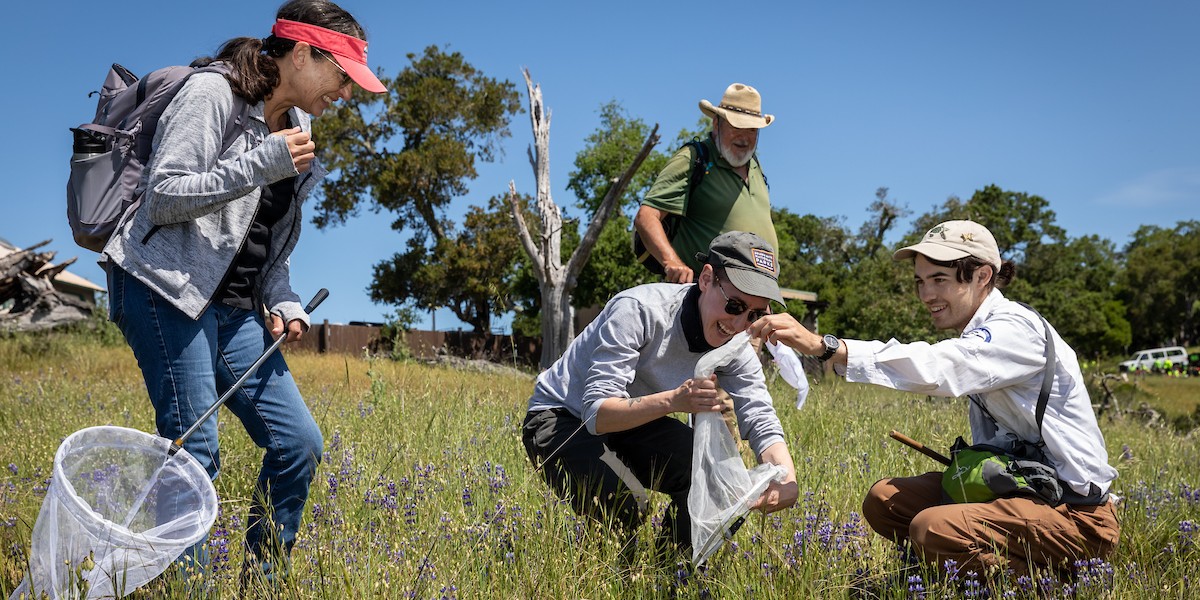
We want to extend a heartfelt thank you to our One Tam Bee Watch volunteers and partners. This project would not be possible without the time, curiosity, and dedication of the many people who joined us in the field throughout the season. See you next year!